How to Choose Resistance Heating Wire for Industrial Furnaces
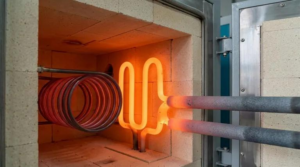
Selecting resistance heating wire for an industrial furnace involves more than choosing a material that can withstand high temperatures. The alloy must also match the furnace atmosphere, electrical requirements, heating cycle, element geometry and expected operating conditions.
For furnace manufacturers, heating element producers and industrial purchasing teams, choosing the right resistance alloy helps establish a suitable starting point for reliable heating system design.
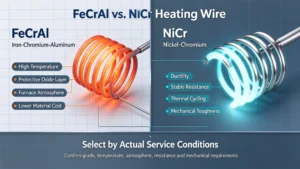
Two widely used material families are iron-chromium-aluminum (FeCrAl) and nickel-chromium (NiCr) alloys. Each has its own characteristics, and the appropriate choice depends on the requirements of the specific application.
This guide explains the main factors to evaluate when sourcing industrial resistance heating wire.
1. Understand the Main Types of Resistance Heating Wire
Before requesting a quotation, identify the alloy family that best matches the intended operating environment.
FeCrAl Heating Wire
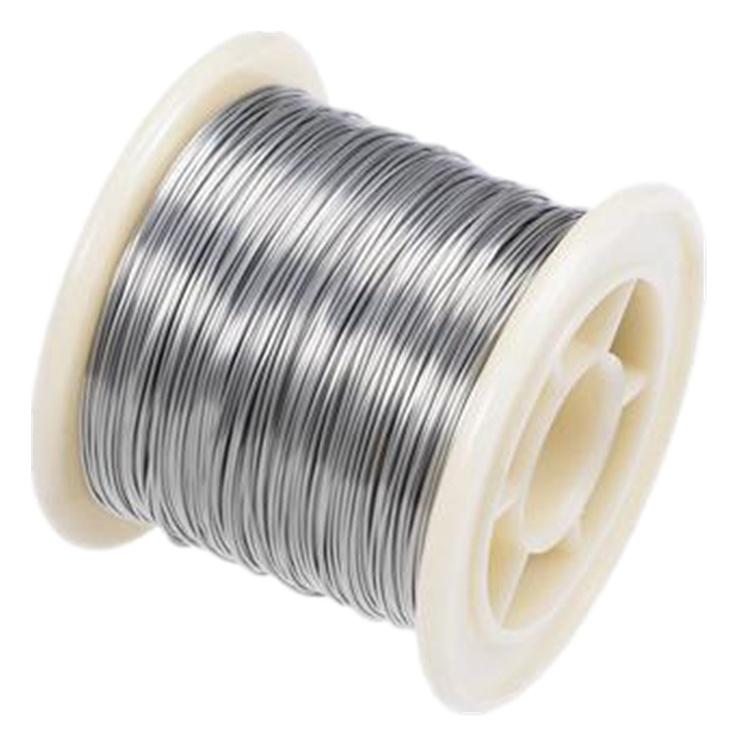
FeCrAl is a family of iron-chromium-aluminum resistance alloys used in industrial heating applications. These alloys can form a protective aluminum-rich oxide layer under suitable operating conditions, which contributes to their use in high-temperature heating systems.
Potential applications include industrial furnaces, heat-treatment equipment and other electric heating installations.
However, performance varies by grade, atmosphere, element design and temperature cycle. Buyers should confirm the recommended operating conditions for the exact alloy rather than relying on a general description of FeCrAl.
NiCr Resistance Wire
Nickel-chromium alloys are another established choice for resistance heating elements. Depending on the grade, they can be used in industrial furnaces, electric heating assemblies and other equipment that requires controlled electrical resistance.
NiCr is not a single material specification. Different compositions can have different electrical and mechanical characteristics, so the grade should be identified before technical data are compared.
Which Alloy Should You Consider?
Neither FeCrAl nor NiCr is automatically the best option for every furnace.
The decision should consider operating temperature, atmosphere, element geometry, electrical loading, thermal cycling and the maintenance requirements of the heating system.
For demanding applications, compare grade-specific technical information and confirm the proposed material with the heating system designer.
2. Check the Actual Operating Temperature
Operating temperature is one of the first parameters to establish when selecting industrial resistance heating wire.
An important distinction is the difference between the furnace chamber temperature and the heating element temperature. Depending on the furnace design, the element may operate at a different temperature from the surrounding atmosphere or the workpiece.
Before selecting a material, determine:
- Required furnace operating temperature
- Estimated heating element temperature
- Continuous or intermittent operating conditions
- Frequency of startup and shutdown cycles
- Expected temperature fluctuations
- Supplier-recommended operating limits for the proposed grade
Do not compare maximum temperature figures without checking how they were established. Published limits may depend on the alloy grade, element configuration, atmosphere and operating conditions.
The final selection should be based on the actual service requirements rather than a headline temperature alone.
3. Evaluate the Furnace Atmosphere
The atmosphere surrounding a heating element can affect oxidation, material degradation and service performance.
For example, an element operating in air may face different conditions from one exposed to a controlled process atmosphere. Moisture, contaminants and process gases may also influence material suitability.
When evaluating resistance heating wire, identify the furnace atmosphere and any relevant process chemicals. If the operating environment is unusual or aggressive, request grade-specific compatibility information from the supplier.
A material described as oxidation-resistant should not automatically be assumed suitable for every reducing, carburizing or chemically aggressive environment.
4. Calculate the Electrical Requirements Before Ordering
Resistance heating wire is both a material and an electrical component. Its dimensions and electrical characteristics must be compatible with the intended heating circuit.
The basic relationship between resistance, voltage and power can help explain why the electrical design matters.
For a resistive load:
- Power is related to voltage and resistance.
- Resistance depends on the material’s resistivity and the conductor’s dimensions.
- Wire length and cross-sectional area affect the resistance of the finished element.
For a simple resistive circuit, the relationships are:
(P=VI)
(P=\frac{V^2}{R})
These equations describe basic electrical relationships. Actual furnace design may also require consideration of circuit configuration, temperature-dependent resistance, controller behavior and the heating element’s operating conditions.
Before ordering, confirm the required voltage, power rating, target resistance, wire diameter, element length and configuration with the responsible electrical or heating system engineer.
A wire of the same nominal diameter is not necessarily a direct replacement when the alloy grade changes.
5. Consider Wire Diameter and Element Geometry
The physical dimensions of resistance heating wire affect both electrical behavior and how the element is manufactured and installed.
Important parameters include:
- Wire diameter and dimensional tolerance
- Required wire length
- Coil diameter and pitch, where applicable
- Element support and mounting arrangement
- Surface condition and delivery form
- Space available inside the furnace
The element design should account for heat distribution, mechanical support, electrical clearances and the requirements of the furnace structure.
If the wire will be formed into a coil or another specific geometry, confirm that the material’s delivery condition and fabrication characteristics are appropriate for the process.
For custom heating elements, providing a drawing or a clear technical specification can reduce ambiguity during quotation and production.
6. Review Thermal Cycling and Service Conditions
Some industrial furnaces operate continuously, while others undergo frequent heating and cooling cycles. These operating patterns can affect element degradation and maintenance requirements.
Repeated thermal cycling, local hot spots, mechanical stress, vibration and inadequate support may influence service performance.
When selecting a resistance alloy, review the complete operating cycle rather than considering only the maximum temperature.
It is also useful to understand the maintenance schedule, accessibility of the heating element and consequences of an unplanned shutdown. These factors can influence the preferred material and element design.
No alloy should be assigned a guaranteed service life without application-specific evidence.
7. Compare the Total Cost of Ownership
The lowest material price does not always result in the lowest overall operating cost.
A meaningful evaluation may include:
- Initial alloy and manufacturing cost
- Element fabrication and installation
- Electrical design requirements
- Maintenance frequency
- Replacement material and labor
- Production downtime
- Compatibility with existing furnace equipment
The relative importance of these factors varies by application. Buyers should compare realistic alternatives using the same operating assumptions rather than relying on general claims about which alloy is cheaper.
Where possible, use documented operating experience from a comparable furnace design to support the decision.
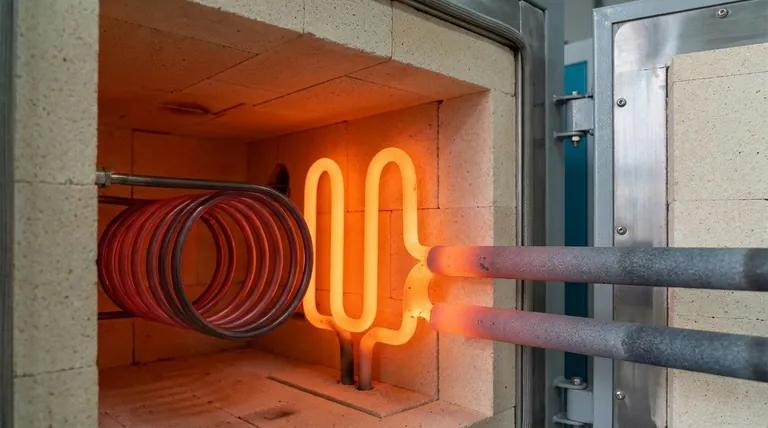
8. What Information Should You Provide to a Resistance Wire Supplier?
A complete technical inquiry helps the supplier assess material suitability and confirm whether the requested specification can be supplied.
Include the following information when available:
Material requirements
- Preferred alloy family or exact grade
- Applicable material specification
- Required chemical or mechanical documentation
Dimensions and delivery
- Wire diameter and tolerance
- Required length or quantity
- Coil, spool or other delivery preference
- Surface condition and packaging requirements
Operating conditions
- Furnace chamber temperature
- Estimated element temperature
- Furnace atmosphere
- Continuous or intermittent operating cycle
- Electrical voltage, power and resistance requirements
Commercial requirements
- Order quantity
- Delivery destination and requested schedule
- Inspection and certification requirements
- Any drawing or approved technical specification
Not every project will require every item. However, providing the relevant information at the beginning can make technical review and quotation more efficient.
9. How to Evaluate an Industrial Resistance Heating Wire Supplier
When comparing suppliers, look beyond the product name and unit price.
Check whether the supplier can identify the exact alloy grade, confirm available dimensions, provide relevant technical documentation and explain the delivery condition.
For projects with specific performance requirements, request confirmation that the proposed material matches the intended application. Any alternative grade should be reviewed against the original design requirements before approval.
Buyers should also confirm packaging, batch identification, inspection arrangements and documentation requirements before placing an order.
DZX Metals offers specialty alloy materials for industrial applications. Availability, dimensions, delivery forms and technical documentation should be confirmed against the requirements of each inquiry.
Frequently Asked Questions
What is the difference between FeCrAl and NiCr heating wire?
FeCrAl and NiCr are different families of resistance alloys with different compositions and operating characteristics. The appropriate choice depends on the exact grade, furnace atmosphere, element temperature, electrical design and service conditions.
How do I choose resistance heating wire for a high-temperature furnace?
Start by defining the actual element temperature, furnace atmosphere, electrical requirements and heating cycle. Then compare suitable alloy grades using supplier technical data and confirm the element design with the responsible engineer.
Can I replace NiCr wire with FeCrAl wire without redesigning the heating element?
Not necessarily. Different alloy grades can have different electrical resistance characteristics and operating limits. A substitution should be checked for electrical compatibility, dimensions, installation requirements and operating performance.
What information is needed to request a quotation?
Provide the alloy grade if known, wire diameter, quantity, delivery form, operating conditions and applicable documentation requirements. Include the electrical specification or element drawing when available.
Does a higher maximum operating temperature always mean a better alloy?
No. The material must be suitable for the complete operating environment. Atmosphere, thermal cycling, element design, mechanical loading and maintenance requirements also influence selection.
Find the Right Resistance Heating Wire for Your Application
Selecting industrial resistance heating wire requires a balance between material properties, electrical design, operating conditions and procurement requirements.
Before placing an order, define the furnace’s working environment and confirm the proposed alloy grade, dimensions and documentation.
If you are sourcing FeCrAl heating wire or NiCr resistance wire, contact DZX Metals with your required dimensions, application details and technical specification. This information can help establish suitable supply options for your industrial heating project.