High-temperature alloy

High Temperature Alloys usually use nickel, cobalt or iron as a matrix and are designed for high-performance applications in extreme environments. They maintain excellent mechanical strength, corrosion resistance and oxidation resistance under high temperatures and loads, and have excellent long-term stability and creep resistance. Jiangsu DZX Technology Co., Ltd. provides you with high-standard and high-quality high-temperature alloy products.

Comparison of commonly used models: A-286 (ЭИ702), Nimonic 75 (ЭИ435)/80A (ЭИ437Б)/90 (ЭИ617), GH131 (ЭИ696), GH1140 (ЭИ703), GH36 (ЭИ481), GH2706, GH2901, GH3625 (ЭИ602), GH3536 (ЭИ868), GH4169 (ЭИ718), etc.

Nimonic 80A

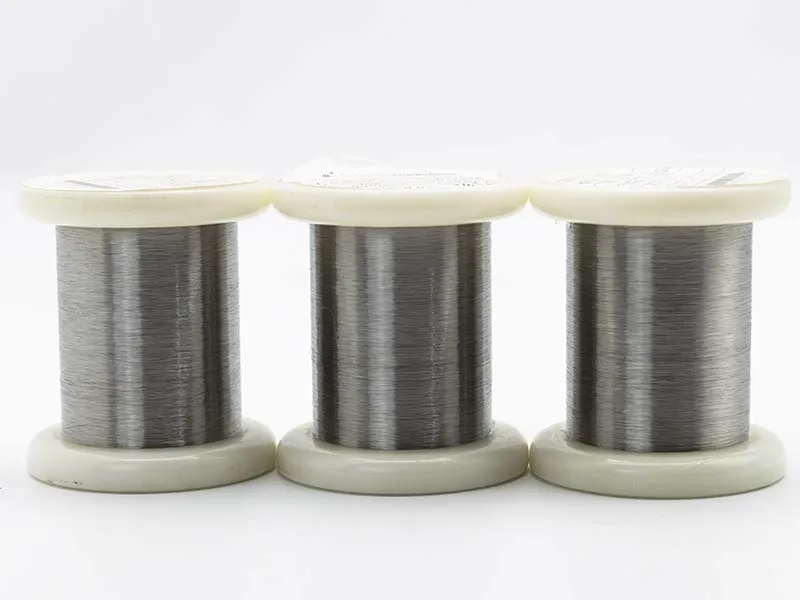
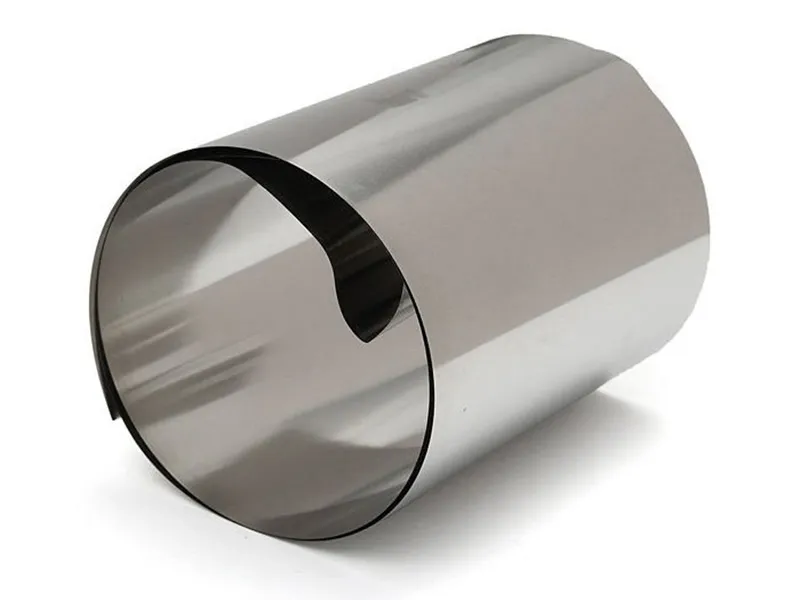
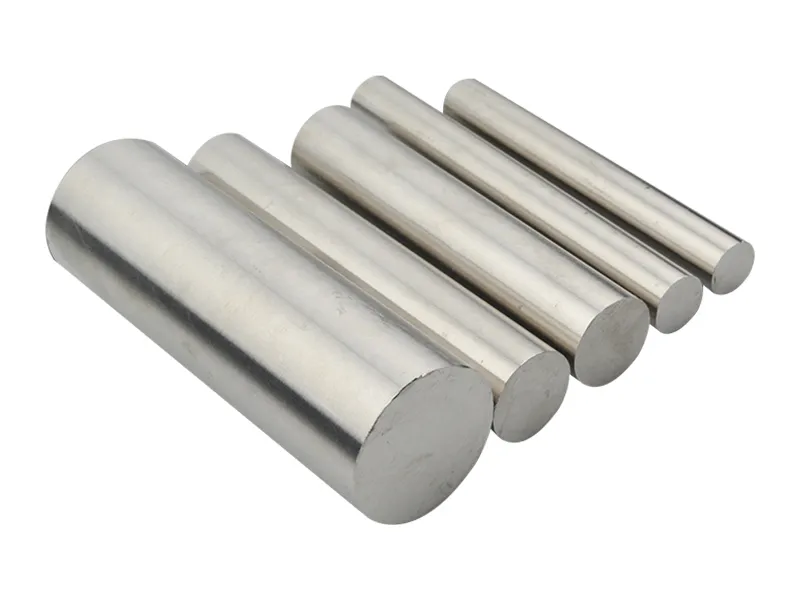
Jiangsu DZX Technology Co., Ltd. provides you with detailed specifications and parameters of Nimonic 80A (Russian standard ЭИ437Б, national standard GH4180) high-temperature alloy. Products include high-temperature alloy round rods, plates and profiles, with excellent creep resistance and oxidation resistance. Direct sales from Jiangsu manufacturers, complete specifications, support global shipping, welcome to get the latest quotation.

High-Temp Alloy (Nickel-Chromium Alloy)

Nimonic 80A

✓ ISO 9001 Quality
✓ COC & Test Certificates
✓ Established in 2002
✓ OEM & Custom Sizes
Chemical Composition
Elements Min. Max.
Nickel (Ni) Rest Rest
Chromium (Cr) 18 21
Iron (Fe) 3
Manganese (Mn) 1
Silicon (Si) 1
Phosphorus (P) 0.02
Sulfur (S) 0.015
Aluminum (Al) 1 1.8
Titanium (Ti) 1.8 2.7
Carbon (C) 0.1
Cobalt (Co) 2
Boron (B) 0.008
Zirconium (Zr) 0.15
Physical & Mechanical Properties
Alloy Grade 80A
Density (g/cm³) 8.19
Melting Point (°C) 1320-1365
Tensile Strength (Rm N/mm²) 930
Yield Strength (Rp 0.2N/mm²) 620
Elongation at Break A5 (%) 20
Supply Capability
ItemDetails
Lead TimeSamples 5-10 days; production 15-30 days
MOQSmall trial orders accepted
SamplesAvailable on request
PackagingExport-standard coil spools / wooden cases
CertificateCOC with chemical composition analysis
PaymentT/T, L/C
Project Support

Need this alloy for a demanding application?

Real-world qualification for the Aerospace sector: tight tolerances, batch consistency and on-time delivery.

Discuss a Similar Project

Frequently Asked Questions (FAQ)

What are the characteristics of the chemical composition of Nimonic 80A, and how does it obtain high-temperature strength?

Nimonic 80A uses nickel as the balance, chromium 18-21% for oxidation resistance, aluminum 1-1.8%, titanium 1.8-2.7% for aging precipitation strengthening, iron ≤ 3%, cobalt ≤ 2%, boron ≤ 0.008%, zirconium ≤ 0.15% to control grain boundaries, and carbon ≤ 0.1%. A typical nickel-chromium precipitation strengthened high-temperature alloy, the page is classified as a nickel-chromium alloy, with a balance of strength and oxidation resistance.

Nimonic 80A uses nickel as the balance, chromium 18-21% for oxidation resistance, aluminum 1-1.8%, titanium 1.8-2.7% for aging precipitation strengthening, iron ≤ 3%, cobalt ≤ 2%, boron ≤ 0.008%, zirconium ≤ 0.15% to control grain boundaries, and carbon ≤ 0.1%. A typical nickel-chromium precipitation strengthened high-temperature alloy, the page is classified as a nickel-chromium alloy, with a balance of strength and oxidation resistance.

Nimonic 80A uses nickel as the balance, chromium 18-21% for oxidation resistance, aluminum 1-1.8%, titanium 1.8-2.7% for aging precipitation strengthening, iron ≤ 3%, cobalt ≤ 2%, boron ≤ 0.008%, zirconium ≤ 0.15% to control grain boundaries, and carbon ≤ 0.1%. A typical nickel-chromium precipitation strengthened high-temperature alloy, the page is classified as a nickel-chromium alloy, with a balance of strength and oxidation resistance.

You can tell by looking at the data on the page: 80A has a density of 8.19 and a melting point of 1320-1365°C; 90 has a density of 8.20 and a melting point of about 1400°C and contains 15-21% cobalt. 80A cobalt is only ≤2%. 90 belongs to the nickel-chromium-cobalt series, has a higher temperature resistance and is more expensive; 80A is a more economical nickel-chromium choice. If the temperature is sufficient, there is no need to go to 90.

930/620/20% shows that it has high strength and plasticity. Chromium 18-21% has good oxidation resistance and is commonly used to make high-temperature fasteners and spring parts. The density of 8.19 is lighter than the 8.44 of GH3625, which has an advantage in specific strength. Both 80A and GH4180 are accepted. Wires, ribbons and rods are in stock. Commonly used specifications can be delivered in 1-2 weeks.

Contact our specialist now!
Material advice, custom specifications and project support.
Scroll to Top
Send Your Inquriy Today
Download Technical Documentation
Please fill out the form below to receive product brochures, specifications, and technical details.